Property transactions, if all runs smoothly, are slow, paperwork-heavy, and dependent on multiple intermediaries. Delays and errors can affect the process, from document verification to payment confirmation. The hurdles create uncertainty for many investors, as the process feels overly complicated. Digital system changes are evolving to automate and reshape the way property deals are managed, especially in markets that want clearer, faster, and more reliable transactions.
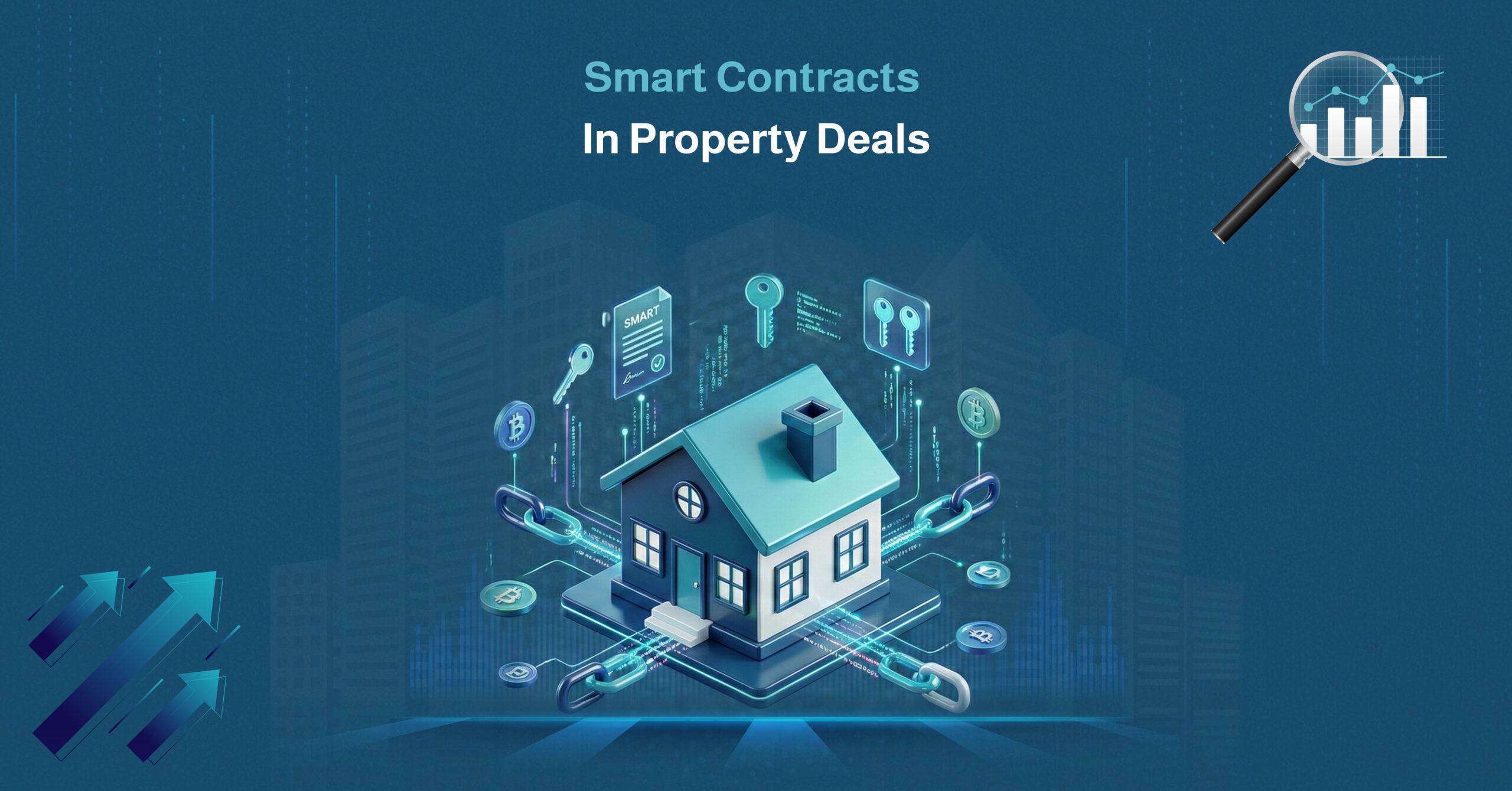
Smart contracts in property deals are the answer. In simple terms, they are a digital agreement that automatically carries out specific actions when certain conditions are met. Instead of waiting for approval from every Tom, Dick, and Harry, parts of the process can run on predefined rules. The goal of smart contracts in property is not to remove legal oversight but rather to reduce unnecessary friction.
This article aims to educate readers on the function of smart contracts. Along with how they support property transactions, how payments and ownership transfers can be automated, and why this approach can improve accuracy and trust while still fitting within existing legal frameworks.
More topics can be read on the Gamma blog
Smart Contracts in Property Deals: What They Actually Do
While we describe smart contracts as digital agreements, the practical meaning is simpler. There are pieces of code that follow clear rules and carry out specific actions when the rules are met. In the context of real estate, this means parts of a property transaction can move forward automatically without waiting for someone to manually check a document or confirm a step. This is why the interest in smart contracts in property has gained notoriety of late, especially among investors who want more predictability and transparency.
A traditional property agreement relies on human intervention at every step. Every signature, payment, and verification stage relies on a person to complete a task. This increases the chances of delays and errors. A smart contract is designed to take over these handovers with automated triggers. Once a buyer’s payment is confirmed, the contract can release a digital proof of ownership or update a record without further intervention. The smart contract doesn’t decide the terms; it simply enforces the terms already agreed upon.
Why this is important is because of all the moving parts involved with property transactions. When the responsibilities are unclear, timelines stretch, and disputes become more likely. A smart contract in property aims to remove the ambiguity by making the workflow visible, predictable, and rule-based. They give investors a clearer view of where the transaction stands and what is to happen next. Understanding what these types of contracts do, makes it easier to see how automation can help support traditional legal frameworks, rather than replace them.
How Smart Contracts in Property Deals Automate Transactions
Property transactions follow a predictable sequence, yet each step usually depends on someone reviewing documents, sending
confirmations, or releasing funds. It is this manual approach that slows down the whole process. This is where smart contracts in property shine; they automate many of these checkpoints. The conditions are set, then the system can perform on its own.

The table summarizes how traditional steps compare to automated ones.
| Transaction Stage | Traditional Method | Smart Contract Method | % of Process Automated |
| Document checks | Manual verification by brokers or lawyers | Digital validation based on predefined rules | 70-90 |
| Payment confirmation | Bank transfer followed by manual confirmation | Automated confirmation once funds reach the required address | 90-100 |
| Ownership updates | The registry office updates records manually | Contract triggers an ownership update on the blockchain | 80-100 |
| Milestone tracking | Parties exchange emails and forms | Real-time status updates are visible to all participants | 100 |
Smart contracts in property deals are effective as they improve the transaction flow by reducing the waiting time between each stage. The system that is created is one in which steps can not be skipped or changed, as you must meet the required conditions. This helps avoid bottlenecks, miscommunication, and the backtracking that often happens when documents are missing or incorrect.
The structure is not designed to replace legal review but rather to support the process. It ensures that once the legal requirements have been met, the technical execution can happen without delay. This is valuable for investors who want a clear timeline and fewer administrative delays.
The Role of Smart Contracts in Payments, Transfers, and Records
Transparency and updates are vital to the buyer when purchasing property, so much happens behind the scenes and can take months that it feels like nothing is happening. Smart contracts in property deals have grown in popularity for this reason. When the buyer transfers funds, the smart contract can automatically confirm receipt and trigger the next step. This helps prevent the long pauses that usually occur when banks or intermediaries need to verify transactions manually.
It is not only payments that smart contracts can manage, but also ownership transfers. Once the system detects that all agreed conditions are met, it updates the digital record that represents the buyer’s share or full ownership. This record is stored on the blockchain, which provides a secure, transparent history of every change. It provides buyers and sellers with a detailed, reliable record without relying on multiple parties to sync documents.
Smart contracts are great for supporting ongoing obligations, which include rental income distributions, profit sharing, or maintenance contributions can be scheduled and released automatically based on clear rules. This structure reduces errors that often appear in manual bookkeeping or multiparty correspondence.
Technology can add huge value to record-keeping. Every action taken by the smart contract is logged in a way that can’t be changed. This makes it easier to audit, verify, and trace changes. For investors, it creates a clear view of the lifecycle of their property interest, strengthening confidence in the accuracy of the data.
Risks, Limitations, and Legal Considerations
There will always be some degree of risk with any new technological advancement. When it comes to smart contracts in property efficiency may be the name of the game; they still operate within legal and technical boundaries. These systems are dependent on correctly written code; if there are errors in the code, contracts may behave in unexpected or unintended ways. This is why reviews, audits, and ongoing oversight are vital.
Legal enforceability varies by jurisdiction; some regions may recognise digital execution as valid only if it is paired with traditional documentation and legal agreements. In markets, the smart contract acts as a technical tool rather than a stand-alone binding document. Property law involves issues such as land registration, title verification, and compliance checks, and these requirements cannot be bypassed.
Occasionally, there may be a situation where a contract may need to be corrected or reversed; blockchain systems are designed to prevent change after execution. Any corrections must take place through external legal processes rather than within the contract itself. This is one reason professional guidance is still necessary.
Operational risks must not be ignored. Network delays, system congestion, or outdated regulatory frameworks can slow or limit efficacy. Privacy laws may affect what information gets stored on the blockchain. It is for these reasons that we can view smart contracts as a reliable tool that should assist property transactions, although it doesn’t guarantee to get rid of all challenges or risks. Thier stregth lies in reducing manual friction while still fitting within the legal and regulatory structures.
How Gamma Assets uses Smart Contracts in Property Deals
Gamma Assets makes use of smart contract infrastructure to bring more clarity and efficacy to real estate investing. The aim is to provide investors with predictable processes where key steps happen automatically once the required conditions are met. When an investor purchases a tokenized share of a property, the smart contract records the transaction, verifies ownership data, and updates the investor’s position without the long administrative cycle that usually follows a traditional purchase. These steps remain tied to legal requirements, yet the technical execution becomes faster and more transparent.
Payment flows are also supported through automated smart contracts. When rental income or profit distributions are due, the smart contract can release the correct amount to each investor based on the terms of the investment. Reducing manual processing helps ensure accurate, timely payouts. Each action is logged in a way that can be reviewed, which strengthens trust in the platform’s reporting.
Gamma Assets doesn’t use smart contracts in property to bypass regulation, but rather uses the technology alongside compliance checks, audits, and the legal structure of the underlying assets. The resulting system provides investors with visibility while still respecting the rules governing property ownership.
You can start investing now from the Gamma Asset Investment Platform
Smart contracts in property deals offer a method of automation, speeding up the process that is usually slow and heavily dependent on multiple manual steps. They give investors a clearer timeline, more accurate execution, and a reliable record of payment and ownership changes. The technology supports traditional frameworks by carrying out the tasks that, once the required conditions are met, rather than replacing professional review or regulatory oversight.
As more investors look for secure and efficient ways to get involved in real estate, these tools can help reduce delays and improve confidence in each stage of the transaction. They are not solutions that remove risk entirely, but they offer improvements for investors who value transparency and predictability. The best approach is to use smart contracts in conjunction with a clear understanding of how they work and how they fit into established property law.
FAQ regarding Smart Contracts in Property Deals
Are smart contracts in property deals legally binding?
They can be, but it depends on the laws of the country where the transaction takes place. A smart contract records and executes agreed terms, yet the agreement still needs to align with local property regulations. Most jurisdictions treat the smart contract as a technical tool rather than a replacement for the signed legal contract. As long as the underlying agreement is valid, the smart contract can support its enforcement.
Do smart contracts in property deals replace lawyers and brokers?
No. They automate many operational tasks, such as releasing payments or updating records, but they do not remove the need for professional guidance. Lawyers, brokers, and regulators still review documents, confirm compliance, and ensure property rights are protected. The technology reduces friction, but human oversight remains central.
Can smart contracts in property deals fail or be reversed?
They can fail if the code contains errors or if the blockchain network has issues. Once executed, many actions cannot be reversed, which is why audited code and clear rules are essential. If something goes wrong, resolution usually relies on legal processes outside the blockchain rather than on the smart contract alone.