As most of us are aware, property ownership has long since been one of the most reliable ways to build long-term wealth, but access, especially for new investors, has never been simple. High entry costs, large capital requirements, complicated legal processes, and limited liquidity have made traditional direct property ownership unattainable for many. Even the most experienced investors often find themselves locked into assets that are difficult to scale, diversify, and, if necessary, exit quickly.
Financial systems are becoming more digital, with new models emerging that change how ownership can be accessed and managed. Tokenization is one of the most significant of these recent changes, as it allows real-world assets such as property to be represented digitally, in smaller, more flexible pieces or units. This approach doesn’t remove the underlying legal structures of property ownership, but it does change how investors participate in them.
More topics can be read on the Gamma blog
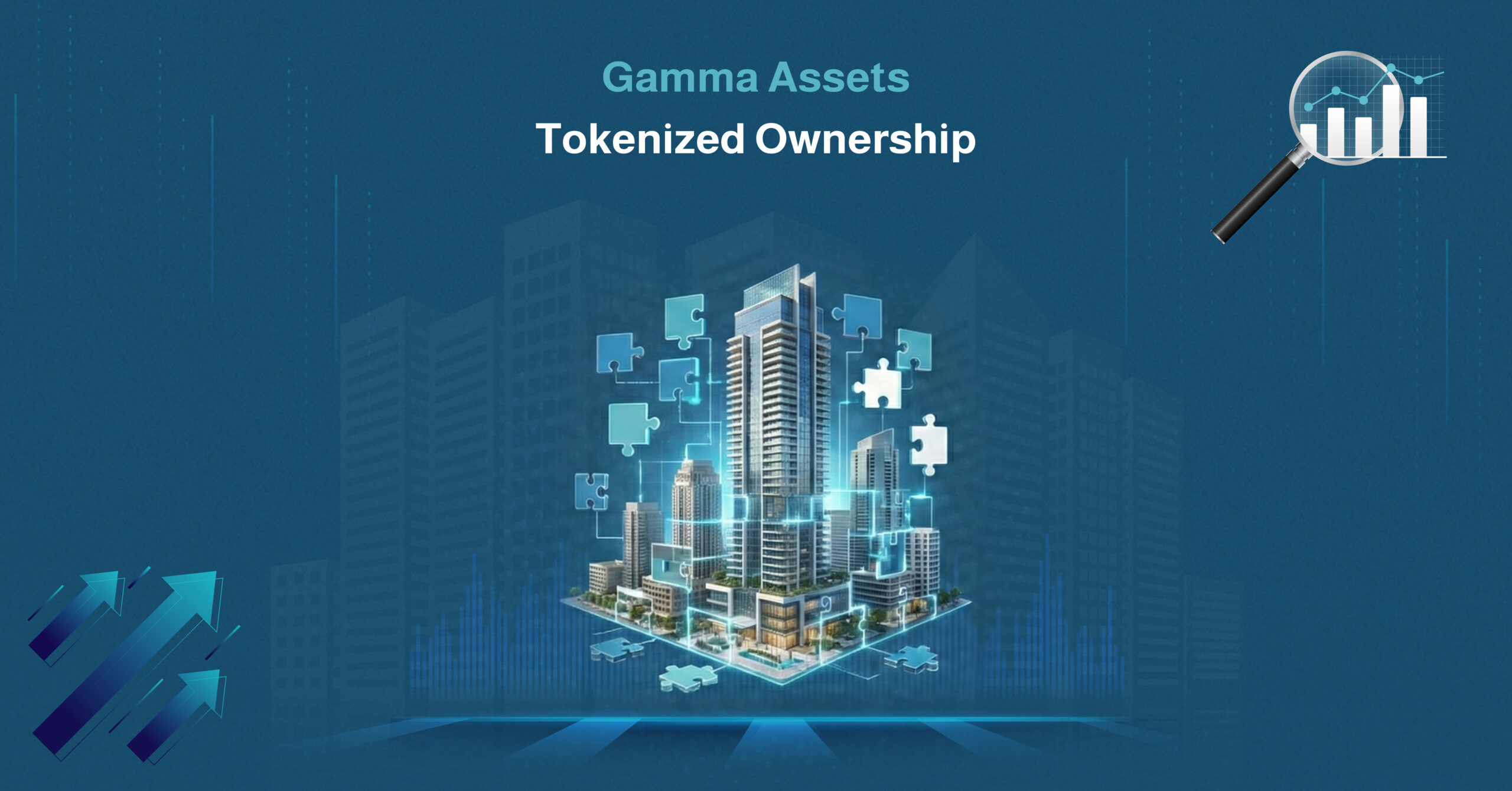
Gamma Assets tokenized ownership applies this model to real estate by creating a link between structured property holdings and tokens. You no longer need to purchase the entire asset; investors gain fractional exposure, which is reflective of defined ownership rights, income participation, and value alignment. Reader, by the end of this article, should have a clearer understanding of how Gamma Assets tokenized ownership works, how ownership is structured, what rights tokens provide, and finally, how this model compares with traditional property ownership.
Gamma Assets tokenized ownership: what it really means
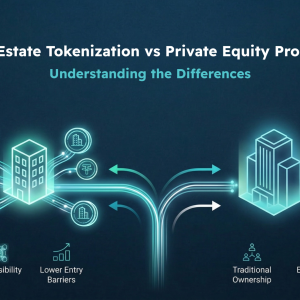
Before committing capital, it is essential that investors understand how the different ownership models work. Traditional property ownership and Gamma Assets tokenized ownership both provide exposure to real estate, but they do so in very different ways. The table below outlines the key differences in a clear, practical way.
Ownership Model Comparison
| Aspect | Gamma Assets tokenized ownership | Traditional property ownership |
| Minimum capital required | Lower entry thresholds through fractional token units | High upfront capital for full property purchase |
| Ownership unit | Digital tokens representing a defined economic interest | Full or partial legal title to a physical property |
| Legal ownership structure | Property held through structured entities, with tokens linked to contractual rights | Investors hold legal title directly or via registered co-ownership |
| Liquidity and exit flexibility | Token resale depends on platform rules and market availability | Sales require finding a buyer and completing a full property transaction |
| Income Participation | Rental income is distributed proportionally based on token holdings | Rental income received directly by the property owner |
| Capital value exposure | Token value reflects changes in the underlying asset’s performance | Property value changes affect the owner directly |
| Management responsibilities | Operational management is handled through the platform structure | Owner responsible for maintenance, tenants, and administration |
| Transparency and reporting | Digital dashboards and documented reporting processes | Varies by owner and managing agent |
| Geographic accessibility | Enables exposure to properties across regions without physical presence | Typically limited to markets the owner can directly access |
| Transaction Speed | Digital transactions supported by platform infrastructure | Slower transactions involving legal, banking, and registry processes |
| Diversification potential | Easier to diversify across multiple assets. | Concentrated exposure unless significant capital is available |
While Gamma Assets tokenized ownership lowers access barriers while simplifying participation, traditional ownership offers direct legal control. Neither model is better than the other, and the right choice depends on capital availability, risk tolerance, desired involvement, and long-term investment goals.
How ownership is structured in Gamma Assets tokenized ownership
To better understand the Gamma Assets tokenized ownership model, it works best to break it down into the physical asset, the property, and then the digital layer that represents investor participation. The physical property is not fragmented into pieces, i.e., rooms or square meters. Ownership is structured through a clear legal framework, with tokenization sitting atop as a representation of economic interest.
Each property, as an asset, is typically held within a dedicated legal structure. Often referred to as a special-purpose vehicle. The entity exists solely to own and manage the specific asset. Risks, obligations, and financial performance can remain clearly defined as each property is in its own structure, separated from other assets on the platform.
Once the structure holding the asset is established, digital tokens are issued to represent fractional participation in that structure. Each token corresponds to a defined share of that property’s economic performance, which includesincome and value movement, rather than direct legal title to the physical building. The total number of tokens issued is aligned with the assets’ valuation and offering terms. This creates a transparent link between the real-world asset and its digital representation.
Smart contracts are used along with platform governance tools to record token ownership, manage distributions, and enforce predefined rules. Administrative friction is reduced by automated recordkeeping, but this doesn’t replace legal agreements. Investors’ rights, obligations, and protections are still governed by formal documentation, platform terms, and applicable jurisdictional regulations.
Gamma Assets’ tokenized ownership is thanks to this layered structure, which balances accessibility with legal clarity. Investors gain fractional exposure and digital efficiency, while the property, as the underlying asset, remains anchored in established property ownership frameworks.
Rights, income, and value under Gamma Assets Tokenized Ownership
It is valuable to understand exactly what rights are provided by tokens. Gamma Assets tokenized ownership defines these rights clearly through documentation and platform terms, helping investors understand how income and value are linked to their holdings.
Rights and entitlements overview
| Aspect | What the tokens represent | How this applies to investors |
| Ownership interest | A fraction of economic interest linked to a specific property | Exposure proportional to the number of tokens held |
| Rental income rights | Contractual entitlement to a share of net rental income | Income distributions reflect the token ownership percentage |
| Capital value alignment | Digital representation of underlying asset performance | Token value may rise or fall with property value changes |
| Legal title tp property | Not a direct property deed | Legal ownership remains with the asset-holding entity |
| Governance or voting rights | Defined by platform and asset documentation | May include limited voting or informational rights. |
| Reporting access | Digital access to performance and asset updates | Investors can track income and asset data through the platform |
| Guaranteed returns | No guarantees | Returns depend on asset performance and market conditions |
Gamma Assets tokenized ownership doesn’t replace legal property ownership but sits alongside it as a structured digital layer. Investor rights are defined contractually, not implied, making it essential to carefully review the platform documentation. With an understanding of these boundaries, investors are able assess opportunities based on facts rather than assumptions.
Gamma Assets tokenized ownership vs traditional property ownership
Ownership structures matter as much as the asset itself when you are looking at the various methods to invest in real estate. Gamma Assets tokenized ownership and traditional property ownership both provide exposure to property value and income, but they differ significantly in how access, control, and responsibility are handled. The comparison below highlights these differences in practical terms.
| Aspect | Gamma Assets Tokenized ownership | Traditional property ownership |
| Minimum capital required | Lower entry levels through fractional token units | High upfront capital for full or partial property purchase |
| Ownership unit | Digital tokens representing a defined economic interest | Legal title to a physical property or registered share |
| Legal ownership | Property held within a structured legal entity | Investor holds legal title directly or via co-ownership |
| Income participation | Proportional rental income linked to token holdings | Rental income received directly by the ownership |
| Capital value exposure | Token value reflects changes in the underlying asset performance | Property value changes affect the owner directly |
| Liquidity and exits | Dependent on platform rules and secondary market availability | Sale requires a full property transaction and buyer |
| Management responsibility | Asset management is handled within the platform structure | Owner responsible for tenants, maintenance, and administration. |
| Transparency and reporting | Digital access to asset performance and reporting | Varies by owner, agent, and jurisdiction |
| Geographic access | Enables exposure across regions without physical presence | Often limited to markets that the owner can access directly |
| Diversification | Easier to spread capital across multiple assets | Capital is often concentrated in one or two properties |
Traditional ownership offers direct legal control and autonomy, but comes with higher capital requirements and operational involvement. Gamma Assets tokenized ownership focuses on accessibility, fractional participation, and simplified exposure, while maintaining defined ownership boundaries. Neither approach is the better option; the suitability of each is determined by the investor’s objectives, capital availability, and preferred level of involvement.
How Gamma Assets enables and manages tokenized ownership
Gamma Assets’ tokenized ownership is supported by a platform that links real estate assets with their digital representation while operating within legal frameworks and maintaining Shariah-compliance. The platform doesn’t replace traditional ownership but rather offers an accessible option for more investors to participate.
You can start investing now from the Gamma Asset Investment Platform
Each asset is onboarded through defined selection and documentation processes to ensure clarity around ownership, valuation, and investors’ rights. Properties are placed within dedicated legal entities before tokens are issued, creating a clear link between the physical asset and its digital tokens.
Gamma Assets manages the digital ownership layer by recording token allocations, facilitating income distribution processes, and providing ongoing reporting through the investor dashboard. Smart contracts functionally support transparency and consistency, while legal agreements and platform terms govern how ownership rights are applied.
FAQ
Do investors legally own property through Gamma Assets tokenized ownership?
Investors don’t hold direct title to the physical property. Gamma Assets tokenized ownership provides a contractual economic interest linked to an underlying asset help within a defined legal ownership structure. The exact rights attached to tokens are outlined in platform documentation and offering terms.
How does Gamma Assets tokenized ownership affect rental income rights?
Rental income is distributed proportionally based on the number of tokens held. Distributions depend on property performance and operating results, and income is not guaranteed.
Can investors sell their tokens under Gamma Assets tokenized ownership?
Token resale is subject to platform rules, regulatory considerations, and marketing availability. Liquidity may vary depending on demand and timing.