Over the past few years, real estate tokenization has evolved from an experimental concept into a serious investment structure attracting global attention. Investors who previously relied on direct property ownership or traditional real estate funds are now exploring new ways to gain exposure to property markets through digital investment models. This shift is closely tied to tokenized real estate market growth in 2026, which reflects the increasing maturity of technology, regulation, and investor understanding.
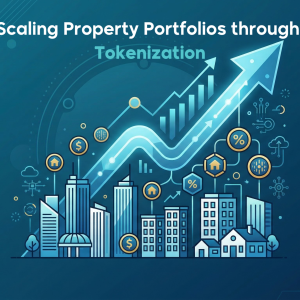
Tokenization allows real estate assets to be divided into digital units that represent participation in a property-backed investment. Instead of purchasing an entire property, investors can gain exposure to a portion of a real estate asset while benefiting from the income and potential appreciation linked to it. For markets such as Saudi Arabia and the wider GCC, where property investment remains a key wealth-building strategy, this development is particularly relevant.
The expansion of tokenized real estate market growth 2026 is being driven by several factors. Advances in blockchain technology, growing institutional interest, and clearer regulatory frameworks are making tokenized property models more credible and accessible. At the same time, investors are seeking alternatives that combine the stability of real estate with the efficiency of digital platforms.
Understanding what is driving tokenized real estate market growth in 2026 can help investors evaluate whether this emerging model fits within their broader investment strategy.
More topics can be read on the Gamma blog
Understanding Tokenized Real Estate Market Gv
rowth in 2026
To understand tokenized real estate market growth in 2026, it helps to begin with the fundamentals of how tokenized property investments work. In simple terms, tokenization converts ownership or economic participation in a real estate asset into digital units recorded on a blockchain or similar digital infrastructure.
These digital units represent a share of the asset’s economic value. Investors holding them may receive income distributions linked to rental revenue or benefit from asset appreciation over time. While the technology enables more efficient administration and accessibility, the underlying value still comes from the property itself.
The relevance of tokenized real estate market growth in 2026 lies in how quickly the concept has moved from theory to practical implementation. Early projects often focused on technological experimentation. Today, more mature platforms are aligning tokenized structures with legal entities, compliance frameworks, and established investment practices.
Several global trends are contributing to this growth. Digital asset infrastructure has become more reliable, regulatory discussions have become more concrete, and investors are increasingly comfortable evaluating asset-backed digital investments.
Another factor behind tokenized real estate market growth in 2026 is the growing interest from investors who want exposure to real estate without the operational complexity of managing property directly. For many investors, tokenized structures provide a way to participate in property markets while relying on professional asset management.
As a result, tokenization is gradually becoming an additional channel through which real estate investment can occur rather than a replacement for traditional models.
What is Driving the Expansion of Tokenized Property Markets
The expansion of tokenized property markets is closely linked to several structural changes in how investors access real estate. One of the most important drivers behind tokenized real estate market growth in 2026 is the concept of fractional participation.
Traditional property ownership often requires significant capital, making it difficult for smaller investors to participate in high-value assets. Tokenization enables real estate to be divided into smaller investment units, allowing a wider range of investors to access property markets.
Technology is another key factor. Digital platforms allow investors to view opportunities, track performance, and receive distributions through streamlined interfaces. This operational efficiency helps support tokenized real estate market growth in 2026, particularly among younger investors who are comfortable with digital financial tools.
Global investment access also plays a role. Tokenized real estate models can attract investors from different regions who may not otherwise have direct access to certain property markets. For investors in the GCC, this can create opportunities to diversify across international property assets while maintaining exposure to real estate fundamentals.
Finally, market education is improving. As more research and case studies become available, investors are gaining a clearer understanding of how tokenized property structures operate. This transparency is gradually building confidence and encouraging broader participation.
How Regulation and Institutional Interest are Shaping Growth
Another major contributor to tokenized real estate market growth in 2026 is the evolving regulatory landscape. In earlier years, uncertainty around legal structures slowed adoption. Investors needed reassurance that tokenized assets would operate within established legal frameworks.
By 2026, regulators in several jurisdictions will have begun clarifying how digital asset structures intersect with securities law, property law, and financial regulation. These developments provide a stronger foundation for both retail and institutional investors.
Institutional interest is also becoming more visible. Asset managers, financial institutions, and investment firms are exploring tokenized real estate as part of broader digital asset strategies. While large-scale institutional adoption is still developing, pilot projects and strategic partnerships are increasing.
This institutional participation reinforces tokenized real estate market growth in 2026 because institutions typically require high standards of governance, compliance, and reporting. When platforms meet these expectations, they signal maturity within the market.
The presence of institutional players also helps shape infrastructure standards, encouraging improvements in custody solutions, reporting systems, and investor protection mechanisms.
As regulation and institutional participation continue to evolve, they will likely remain central drivers of long-term growth in tokenized real estate markets.
Why Investors are Exploring Tokenized Real Estate Opportunities
For many investors, the appeal of tokenized real estate lies in its ability to combine traditional asset stability with digital accessibility. Real estate has long been considered a foundational asset class due to its income potential and long-term value characteristics.
Tokenized models make it easier to access these characteristics without the responsibilities associated with direct property ownership. Investors can participate in real estate markets without managing tenants, maintenance, or property administration.
Another factor contributing to tokenized real estate market growth in 2026 is portfolio diversification. Investors often seek exposure to multiple asset classes to reduce risk. Tokenized real estate provides a way to add property exposure alongside equities, bonds, or digital assets.
Passive income potential is also attractive. When a property generates rental income, tokenized investors may receive distributions reflecting their participation in the asset. This structure aligns digital investment with the underlying economic activity of real estate.
For investors in Saudi Arabia and the broader GCC region, tokenized real estate can also open access to international property markets that may otherwise require significant capital or local expertise.
As awareness increases, the combination of accessibility, diversification, and income potential continues to fuel tokenized real estate market growth in 2026.
How Osool Gamma Simplifies Access to Real Estate-Backed Investments
Platforms such as Osool Gamma demonstrate how tokenized real estate models are being applied in practice. Instead of requiring investors to purchase and manage property directly, these platforms offer structured access to real estate-backed assets through digital participation.
If you are interested in tokenized real estate market growth in 2026 but want a simpler way to participate, Osool Gamma allows investors to access real estate-backed assets without the complexities of purchasing and managing property directly.
The platform focuses on providing exposure to real estate investments through clear structures that connect digital participation with underlying property assets. This approach aligns with the broader trends driving tokenized real estate market growth in 2026, particularly the emphasis on accessibility and operational efficiency.
For many investors, the appeal lies in combining the stability of real estate with the convenience of digital platforms. Rather than navigating property acquisition, financing, and management, investors can focus on evaluating opportunities and monitoring performance.
By simplifying the process of accessing property-backed investments, Osool Gamma reflects how tokenized real estate platforms are evolving to meet the needs of modern investors.
You can start investing now from the Osool Gamma Investment Platform
The rapid expansion of digital finance has created new ways for investors to interact with traditional asset classes. The ongoing tokenized real estate market growth in 2026 illustrates how real estate investing is adapting to these changes while remaining grounded in tangible assets.
Several factors are contributing to this growth, including technological infrastructure, regulatory clarity, institutional interest, and increasing investor awareness. Together, these developments are helping transform tokenized real estate from a niche concept into a legitimate investment channel.
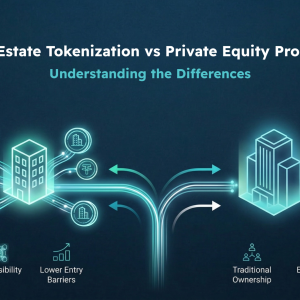
For investors exploring new opportunities, understanding tokenized real estate market growth in 2026 provides valuable insight into how property markets may continue to evolve. While tokenized real estate does not replace traditional property ownership, it introduces an alternative pathway for accessing real estate-backed assets.
As platforms continue to mature and regulatory frameworks develop, tokenized real estate may play an increasingly important role in how investors access and diversify property investments in the years ahead.
FAQ
What is tokenized real estate?
Tokenized real estate refers to the process of representing ownership or economic participation in a property through digital units recorded on a blockchain or digital ledger. These units allow investors to participate in real estate investments without directly owning the property.
Why is tokenized real estate market growth accelerating in 2026?
Several factors are contributing to tokenized real estate market growth in 2026, including improved blockchain infrastructure, clearer regulatory frameworks, and increasing institutional and retail investor interest.
Is tokenized real estate suitable for beginners?
Tokenized real estate can be accessible for beginner investors because it allows smaller participation sizes compared to traditional property purchases. However, investors should still understand how the investment structure works before participating.
How can investors participate in tokenized property markets?
Investors typically participate through specialised platforms that provide access to real estate-backed digital investments. These platforms manage the property assets while investors gain exposure to the underlying real estate performance.