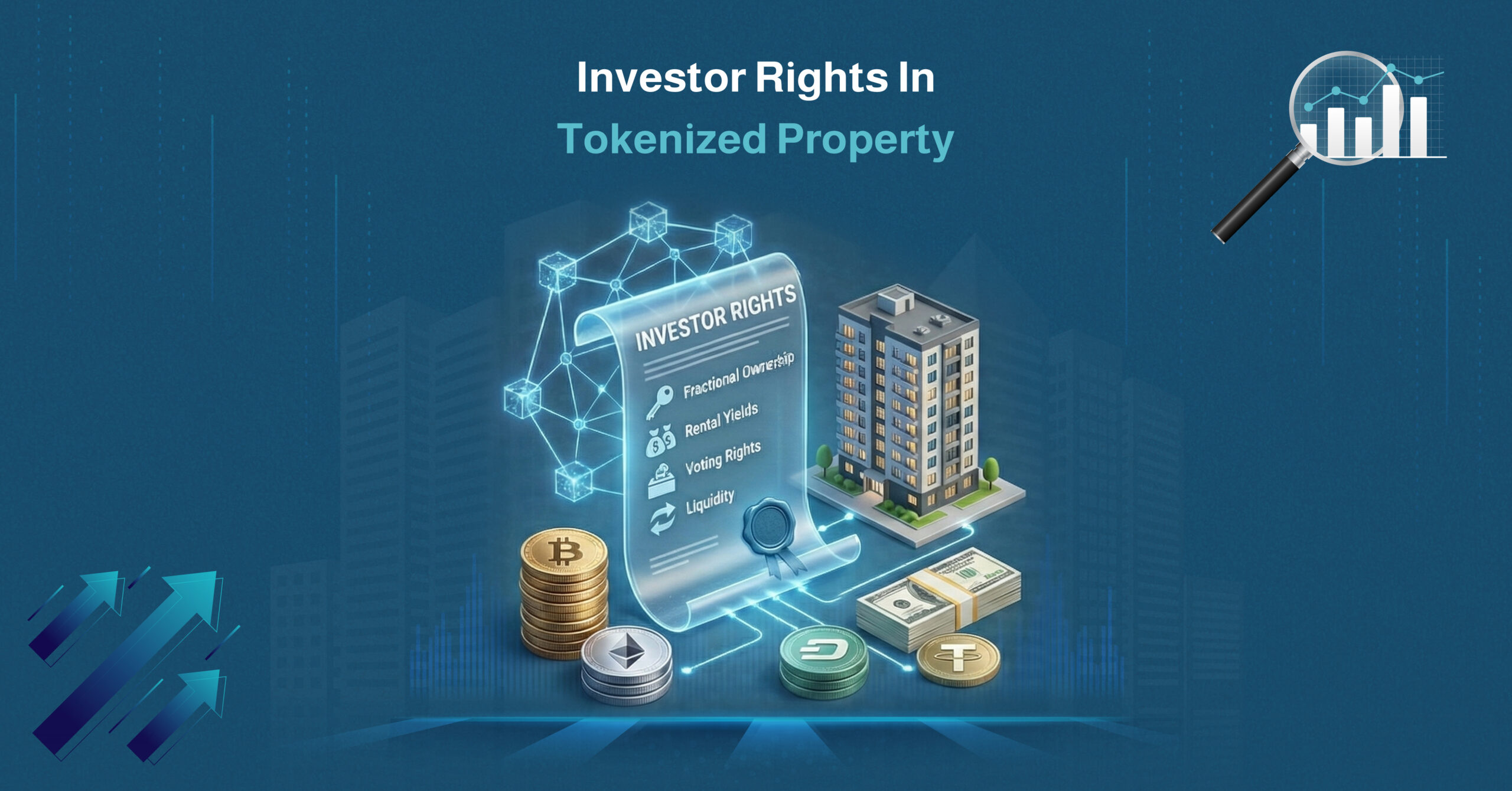
Investor rights sit at the heart of trust in any property investment. Whether someone is buying a rental apartment or holding a digital token linked to real estate, the first question is always the same: what do I actually own, and what am I entitled to?
As property investing moves into digital and tokenized models, that question has become more complex. Instead of traditional title deeds and sole ownership, investors now hold tokens that represent economic or ownership interests in a property structure. This shift has created new opportunities, but also new misunderstandings.
Investor rights in tokenized property do not mean informal promises or vague claims of ownership. They refer to clearly defined legal, financial, and governance rights set out in contracts, platform terms, and regulatory frameworks. These rights vary depending on how a tokenized structure is designed and where it operates.
By the end of this article, readers will understand:
- What ownership really means in tokenized property
- What income and profit rights token holders usually have
- How voting and governance may work
- What legal protections apply and where limits exist
The focus is clarity, not legal advice.
Investor rights in tokenized property: what ownership really means
When discussing investor rights in tokenized property, ownership is often the most misunderstood concept. Buying property tokens does not usually mean owning the physical property directly in your name. Instead, ownership is structured through legal entities and contracts.
How ownership is typically structured
Most tokenized property models follow a similar setup:
- A legal entity owns the physical property
- Tokens represent shares, units, or economic rights linked to that entity
- Investors hold tokens, not title deeds
- Rights are defined by legal agreements, not by the blockchain alone
This structure allows fractional participation while keeping property ownership compliant with local laws.
What investors usually own
To keep things clear, token holders often have:
- A contractual right to income or profits
- A proportional economic interest in the asset
- Defined exit or transfer rights, subject to rules
What they usually do not have:
- Personal title registration
- Direct control over daily property decisions
- Unlimited transfer freedom
Understanding this distinction is essential when evaluating investor rights in tokenized property. Ownership exists, but it is indirect and legally structured.
Income, profit, and distribution rights for token holders
One of the most important aspects of investor rights in tokenized property is income entitlement. Most investors participate because they expect a share of rental income or profits, not just exposure to property value.
Common income rights
Token holders typically have rights to:
- Rental income after expenses
- Sale proceeds if a property is sold
- Periodic distributions based on ownership share
These rights are defined upfront in offering documents and platform terms.
How income is usually distributed
| Step | What happens |
| Rent collected | Tenants pay rent to the property entity |
| Costs deducted | Maintenance, management, taxes |
| Net income calculated | Remaining distributable amount |
| Distribution | Paid to token holders proportionally |
Important limits to understand
Income rights are not guarantees. Factors that affect payouts include:
- Vacancy periods
- Unexpected maintenance costs
- Market downturns
- Platform fees
Investor rights in tokenized property protect access to income when it exists, but they do not promise fixed or risk-free returns.
Voting, governance, and decision-making rights
Not all tokenized property investments offer voting rights, but governance is still an important part of investor rights in tokenized property.
Types of governance rights investors may have
- No voting rights
Many structures centralize decisions with the platform or asset manager. - Limited voting rights
Investors may vote on major events like property sale or refinancing. - Advisory voting
Votes may guide decisions but not legally bind them.
Examples of decisions that may involve investors
- Selling the property
- Changing management companies
- Extending holding periods
Why governance is limited
Tokenized property structures often limit voting to:
- Maintain operational efficiency
- Comply with regulations
- Avoid fragmented decision-making
Platforms such as Gamma Assets typically outline governance clearly so investors understand what input they have and where authority sits. Transparency around governance is a key part of protecting investor rights in tokenized property.
Legal protections and regulatory frameworks
Legal protection is where investor rights in tokenized property move from theory to enforcement. Rights only matter if they are supported by law, contracts, and compliance.
Where legal rights come from
Investor protections usually rely on:
- Shareholder or unit-holder agreements
- Offering memorandums
- Platform terms and conditions
- Local securities and property laws
Blockchain records support transparency, but legal documents remain the foundation.
Regulatory considerations
| Area | Why it matters |
| Securities regulation | Determines how tokens are classified |
| Property law | Governs ownership and transfer |
| Investor protection laws | Define disclosure and compliance |
| Jurisdiction | Affects enforceability |
Key reality check
- Rights vary by country
- Enforcement depends on courts, not code
- Documentation matters more than technology
Investor rights in tokenized property are strongest when platforms operate within regulated frameworks and clearly document investor protections.
Who are investor rights in tokenized property best suited for
Understanding investor rights in tokenized property is especially important for certain investor profiles. This model rewards informed participation rather than assumptions.
Investors who benefit most
- Crypto investors entering real assets
Those looking for structured, documented exposure to property. - Traditional investors exploring fractional ownership
Investors who want smaller allocations without full ownership responsibility. - Professionals focused on risk clarity
People who prioritize defined rights over speculative upside. - Cross-border investors
Those who rely on clear documentation rather than local familiarity.
Investors who should be cautious
- Those expecting direct property control
- Investors who skip legal documentation
- Anyone assuming tokens equal title deeds
Investor rights in tokenized property work best when expectations match legal reality.
Understanding investor rights in tokenized property before investing
Investor rights in tokenized property are real, structured, and legally defined, but they are not the same as traditional property ownership. Investors typically hold economic and contractual rights rather than direct title.
Understanding income entitlements, governance limits, and legal protections is essential before investing. Rights vary by platform, structure, and jurisdiction, which makes due diligence critical.
Tokenization can improve access and transparency, but investor protection comes from documentation, compliance, and clear frameworks. Investors who take time to understand investor rights in tokenized property are better positioned to participate confidently and responsibly.
Frequently asked questions about investor rights in tokenized property
Do investors legally own property when they buy tokens?
Usually no. Investors own contractual or economic rights linked to a property-owning entity, not the physical property title itself.
What income rights come with tokenized property investments?
Investors typically receive a proportional share of rental income or sale proceeds, after costs, as defined in the platform’s legal documents.
Can investor rights in tokenized property be enforced in court?
Yes, provided the rights are clearly documented and the platform operates within a recognized legal framework. Enforcement depends on jurisdiction and contract terms.