Real estate has long been one of the most reliable ways to build wealth. Property investments can provide stable income, long-term capital appreciation, and a level of diversification that many investors value. However, building a large property portfolio has traditionally required significant capital, time, and operational effort. For many investors, scaling beyond one or two properties becomes increasingly complex.
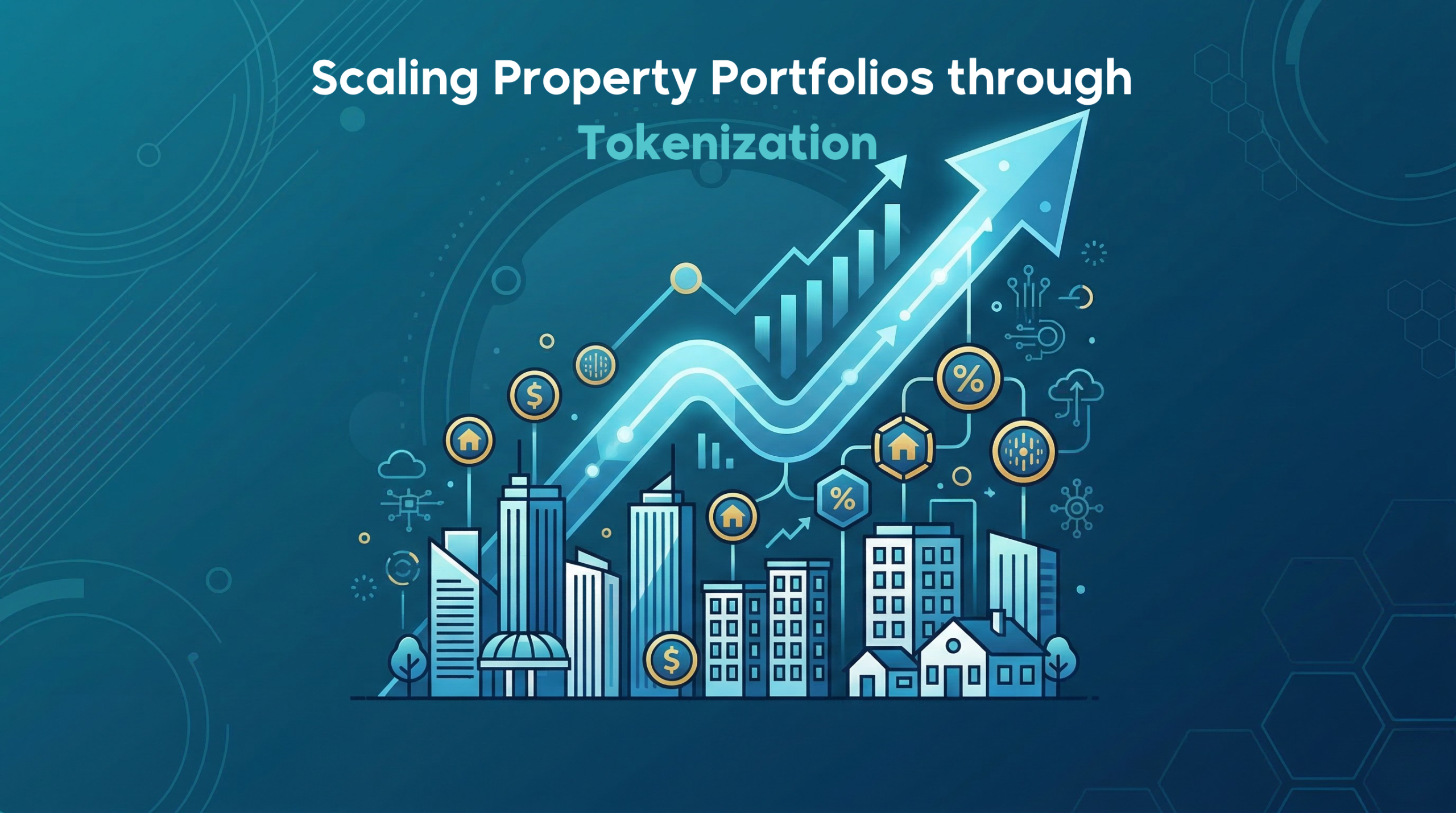
This is where new financial technologies are beginning to reshape how investors approach property ownership. One of the most discussed developments in recent years is the concept of scaling property portfolios through tokenization. Instead of purchasing entire properties, investors can gain fractional exposure to real estate assets through digital investment structures built on blockchain technology.
The idea is simple but powerful. By dividing the value of a property into smaller digital units, investors may participate in opportunities that would normally require far larger capital commitments. This approach allows individuals to allocate funds across multiple properties rather than concentrating their capital into a single investment.
As the global investment landscape evolves, more investors are exploring whether scaling property portfolios through tokenization can offer a practical pathway to growing their real estate exposure. Understanding how this model works and how it differs from traditional property investing is an important step for anyone looking to build a broader and more diversified portfolio.
More topics can be read on the Gamma blog
Understanding Scaling Property Portfolios through Tokenization
To understand the appeal of scaling property portfolios through tokenization, it is helpful to first consider how traditional property investing works. In most cases, purchasing a property requires a large upfront investment. Investors must secure financing, manage legal processes, and often take on responsibilities related to property maintenance or management.
Tokenization introduces a different model. Instead of purchasing an entire building or unit, a property can be divided into digital tokens that represent fractional ownership or participation in the asset. These tokens can then be offered to investors through regulated platforms that structure the investment and manage the underlying property.
In simple terms, scaling property portfolios through tokenization allows investors to participate in real estate projects without needing to acquire full ownership of each property. Rather than allocating a large portion of their capital into a single asset, investors may distribute smaller investments across multiple properties.
This approach can make diversification easier to achieve. Instead of building a portfolio slowly through individual property purchases, tokenized structures allow investors to gain exposure to multiple assets in different locations or sectors.
It is important to note that the underlying investment remains real estate. Properties still generate rental income, and their value may increase over time depending on market conditions. Tokenization simply changes the structure through which investors access those opportunities.
For investors who want to grow their exposure gradually, scaling property portfolios through tokenization may offer a more flexible way to participate in the real estate market.
Challenges of Expanding Traditional Property Portfolios
While real estate remains an attractive asset class, expanding a traditional property portfolio can be difficult for many investors. The most obvious challenge is the capital required to purchase additional properties. Even with financing options, acquiring multiple properties often requires significant deposits, legal fees, and ongoing maintenance costs.
As a result, many investors find that building a large property portfolio takes years. Each new purchase requires careful financial planning and may involve additional risk if debt levels increase too quickly. These financial barriers are one of the main reasons why scaling property portfolios through tokenization has gained attention in recent years.
Another challenge is geographic concentration. Investors who purchase physical properties often do so in areas they know well. While familiarity can be helpful, it may also limit diversification. A portfolio concentrated in a single city or region may become more vulnerable to local economic changes.
Operational complexity is also an important factor. Managing multiple properties can require significant time and coordination. Tasks such as tenant management, property maintenance, and legal compliance can become increasingly demanding as the number of properties grows.
Liquidity is another limitation of traditional property ownership. Selling a property typically involves lengthy processes, including valuations, negotiations, and legal transfers. This makes it difficult for investors to adjust their portfolios quickly when market conditions change.
These structural challenges explain why many investors are exploring alternative models. Scaling property portfolios through tokenization does not remove all risks associated with real estate, but it can address some of the barriers that traditionally slow portfolio growth.
How Fractional Property Investing Supports Growth
One of the most significant advantages of tokenized real estate is the ability to participate through fractional investments. Instead of purchasing entire assets, investors can allocate smaller amounts of capital across multiple properties.
This model plays an important role in scaling property portfolios through tokenization because it allows investors to diversify their exposure more easily. Rather than concentrating funds in one or two properties, investors can spread their capital across a range of projects that may vary by location, property type, or investment strategy.
Fractional investing also allows investors to participate in opportunities that might otherwise be inaccessible. Commercial properties, for example, often require large capital commitments when purchased directly. Through tokenized structures, smaller investors may gain exposure to these assets without needing to fund the entire acquisition.
Another advantage is flexibility. Investors can gradually expand their exposure as new opportunities become available. Instead of waiting until they have enough capital to purchase another full property, they may add smaller investments to their portfolio over time.
This gradual approach can make portfolio building more manageable. Investors can evaluate each opportunity individually and adjust their strategy as their financial goals evolve.
For individuals looking to grow their presence in the property market without the operational complexity of direct ownership, scaling property portfolios through tokenization offers a model that aligns well with modern investment habits.
Managing Risk while Scaling Property Investments
Every investment strategy carries some level of risk, and real estate is no exception. Market conditions, economic cycles, and property-specific factors can all influence investment performance. For this reason, investors who are scaling property portfolios through tokenization should still approach the process with careful planning.
Diversification remains one of the most important principles in portfolio management. By spreading investments across multiple properties, sectors, or geographic locations, investors may reduce their exposure to any single asset. Tokenized investment structures can make this diversification easier to achieve because investors are not limited to purchasing entire properties.
Investors should also pay close attention to the underlying property assets. Even when participating through tokens, the success of the investment is still tied to the performance of the real estate itself. Factors such as location, tenant demand, property management quality, and long-term development plans remain essential considerations.
Regulatory frameworks and platform governance are also important. Investors should ensure that the platforms offering tokenized real estate opportunities operate within clear legal and financial structures. Transparency regarding property ownership, income distribution, and investor rights is essential.
Scaling property portfolios through tokenization can open new opportunities, but it should always be approached with the same level of diligence applied to any other real estate investment.
How Osool Gamma Enables Portfolio Expansion
For investors interested in exploring tokenized real estate opportunities, platforms play an important role in structuring and managing these investments. This is where companies such as Osool Gamma are helping introduce new ways for investors to access property markets.
If you are interested in scaling property portfolios through tokenization but want a simpler investment process, Osool Gamma allows investors to access property-backed opportunities through digital investment models. The platform focuses on structuring real estate investments in a way that allows participants to gain exposure without needing to purchase entire properties.
Through this approach, investors may participate in professionally managed real estate projects while maintaining a diversified investment strategy. Instead of handling property management, legal arrangements, and operational responsibilities independently, these elements are typically managed within the investment structure.
Platforms that support scaling property portfolios through tokenization are designed to simplify the investment process. Investors can review available opportunities, evaluate the underlying assets, and decide how to allocate their capital across different projects.
As tokenization continues to develop within global financial markets, platforms that connect investors to real estate opportunities may play an increasingly important role in how property portfolios are built and expanded.
You can start investing now from the Osool Gamma Investment Platform
Real estate has always been a cornerstone of long-term wealth building. However, expanding a property portfolio through traditional ownership can be challenging due to capital requirements, operational complexity, and limited diversification opportunities.
Scaling property portfolios through tokenization introduces a new approach that allows investors to participate in real estate through fractional structures. By dividing property ownership into smaller digital units, investors may allocate capital across multiple assets rather than concentrating it into a single purchase.
This model does not replace the fundamentals of property investing. The value of the investment still depends on the performance of the underlying real estate. However, tokenization may provide a more flexible pathway for investors who want to grow their exposure while maintaining diversification.
As the investment landscape evolves, scaling property portfolios through tokenization may become an increasingly relevant strategy for those looking to expand their real estate holdings in a more accessible and efficient way.
FAQ
What does scaling property portfolios through tokenization mean?
Scaling property portfolios through tokenization refers to the process of growing real estate investments by purchasing fractional digital shares in property assets rather than acquiring entire properties.
How does tokenization make portfolio growth easier?
Tokenization allows investors to allocate smaller amounts of capital across multiple properties. This may help investors diversify their exposure and expand their portfolios more gradually.
Is tokenized real estate still backed by physical property?
Yes. In most cases, tokenized real estate investments are backed by actual property assets that generate rental income or potential capital appreciation.
Who can benefit from scaling property portfolios through tokenization?
Investors who want exposure to real estate but do not have the capital or desire to purchase full properties may find tokenized investments appealing.
Are there risks involved in tokenized property investments?
As with any real estate investment, risks exist. Market conditions, property performance, and regulatory frameworks can all influence investment outcomes. Investors should always conduct proper research before participating in any investment opportunity.
References
Saudi Ministry of Economy and Planning. (2024). Economic growth and diversification initiatives under Vision 2030.
PwC Middle East. (2023). Emerging trends in real estate and property investment in the GCC region.
Deloitte. (2024). Tokenization of real estate assets: Transforming property investment through digital ownership.
World Economic Forum. (2023). Asset tokenization and the future of financial markets.
Knight Frank. (2024). Saudi Arabia real estate market review and investment outlook.
McKinsey & Company. (2023). Digital assets and the evolution of financial markets.
Boston Consulting Group. (2024). The growth of tokenized assets in global investment markets.