Real estate has traditionally been considered a long-term investment. Investors often purchase property with the expectation that they will hold it for years while earning rental income or benefiting from long-term value appreciation. One of the challenges associated with property investing, however, has always been liquidity. Selling a building or even a partial property interest can take significant time and involve complex legal processes.
As digital asset technologies have developed, tokenized real estate has emerged as a new way for investors to participate in property markets. Instead of purchasing an entire building, investors can hold digital investment units linked to a real estate asset. While this structure can make property investing more accessible, investors still want to know how they might exit an investment if needed.
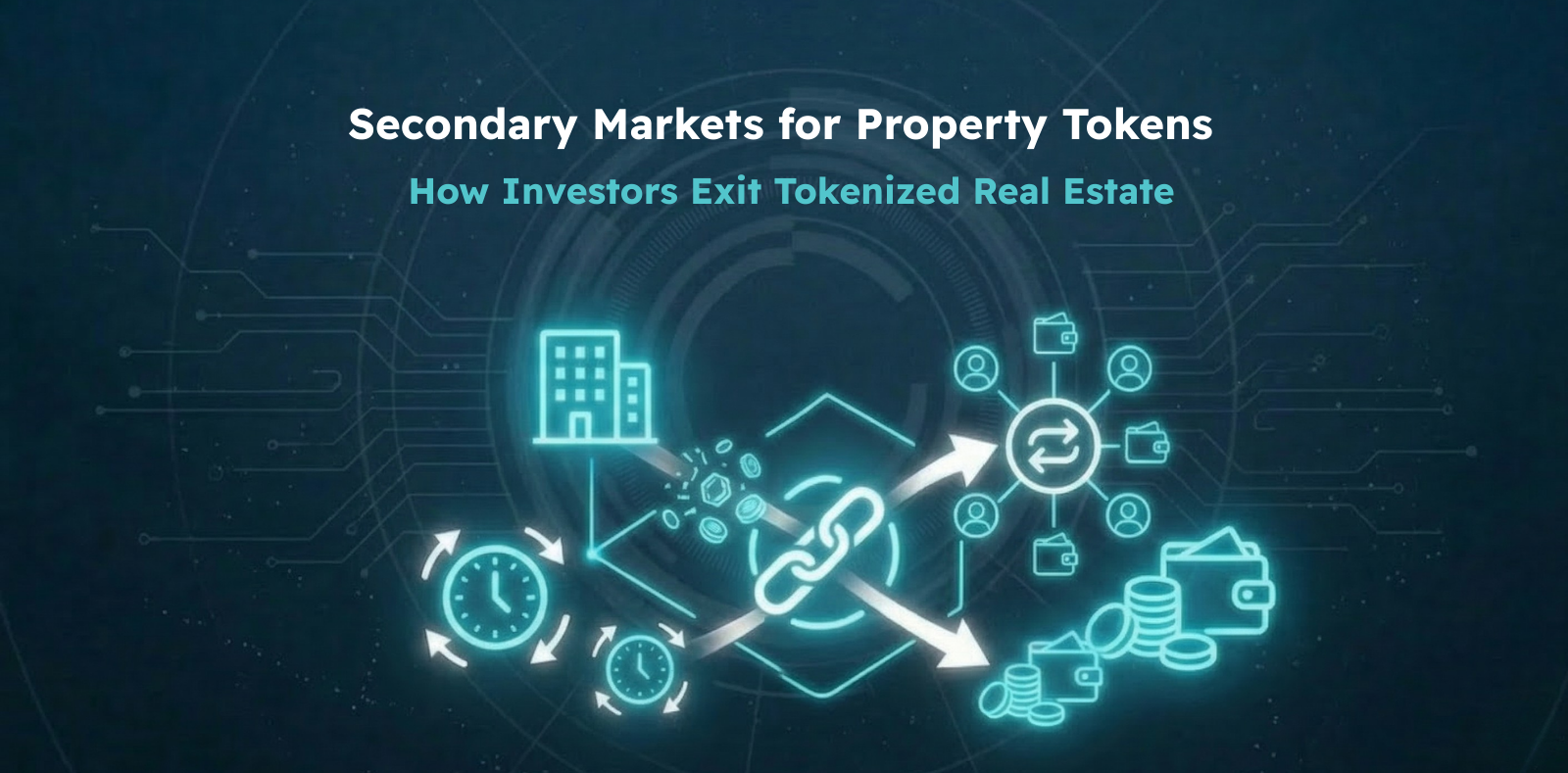
This is where secondary markets for property tokens become important. Secondary markets allow investors to buy or sell existing tokens that represent participation in a property-backed investment. Rather than waiting for a property to be sold or a project to reach maturity, investors may have the opportunity to trade their tokens with other participants.
Understanding how secondary markets for property tokens operate helps investors evaluate whether tokenized real estate offers greater flexibility than traditional property ownership. It also provides insight into how digital platforms are shaping the future of real estate investment accessibility.
More topics can be read on the Gamma blog
Understanding Secondary Markets for Property Tokens
To understand secondary markets for property tokens, it is helpful to begin with the difference between primary and secondary investment markets. A primary market is where an investment is first issued. In the context of tokenized real estate, this typically occurs when a property investment opportunity is initially offered to investors through a digital platform.
Once those tokens have been issued, a secondary market may allow investors to buy and sell those tokens with other participants. Instead of purchasing tokens directly from the platform’s initial offering, investors acquire them from other investors who wish to exit or adjust their holdings.
The concept of secondary markets for property tokens mirrors how traditional financial markets operate. For example, publicly traded stocks are first issued through initial offerings and then traded on exchanges between investors. Secondary markets provide ongoing trading activity that allows investors to adjust their portfolios over time.
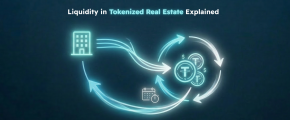
In tokenized real estate, these markets can potentially improve liquidity. If an investor wishes to exit their position before the underlying property is sold, they may be able to sell their tokens to another participant. This possibility is one of the reasons interest in secondary markets for property tokens has grown significantly.
However, it is important to remember that liquidity depends on market activity. Even when a secondary market exists, there must still be buyers willing to purchase tokens for trading to occur.
Why Secondary Markets Matter for Real Estate Investors
One of the most important benefits of secondary markets for property tokens is the flexibility they may offer to investors. Traditional property investments typically require long holding periods because selling real estate can take considerable time and effort.
Tokenized real estate introduces the possibility that investors can adjust their holdings more easily. Instead of needing to sell an entire property, an investor may be able to sell a portion of their investment through a secondary market. This flexibility can be particularly appealing to investors who prefer more control over their investment timelines.
Secondary markets also play a role in price discovery. When tokens are traded between investors, the prices at which transactions occur can provide insights into how the market values a particular property investment. Over time, this trading activity may help establish more transparent pricing for property-backed digital assets.
For investors evaluating tokenized real estate opportunities, the development of secondary markets for property tokens may influence how attractive these investments appear. Greater trading activity can provide reassurance that investors have potential exit pathways beyond waiting for the underlying property to be sold.
At the same time, investors should approach secondary markets with realistic expectations. While they may offer more flexibility than traditional property investing, they do not guarantee immediate liquidity or constant trading activity.
How Property Token Trading Platforms Operate
Digital trading platforms play a central role in enabling secondary markets for property tokens. These platforms provide the infrastructure that allows investors to list tokens for sale, purchase tokens from other investors, and record transactions securely.
When an investor decides to sell their tokens, they typically list them on a platform that supports secondary trading. Other investors browsing the platform can review available tokens and decide whether to purchase them based on the asset’s characteristics and price.
Many platforms rely on blockchain or digital ledger technology to record ownership transfers. This technology helps ensure that transactions are transparent and that ownership records remain accurate.
The functionality of secondary markets for property tokens also depends on compliance procedures. Investors may need to complete identity verification processes and meet regulatory requirements before trading tokens. These safeguards help ensure that digital investment markets operate within appropriate legal frameworks.
While the technology supporting these platforms can make trading more efficient, successful secondary markets for property tokens ultimately depend on active participation from investors. The presence of buyers and sellers is what allows a market to function effectively.
Challenges Facing Secondary Property Token Markets
Although the concept of secondary markets for property tokens is promising, these markets are still evolving. Several challenges must be addressed before they can reach the same level of maturity as traditional financial markets.
One challenge is market participation. For secondary markets to function effectively, there must be enough investors actively trading tokens. Without sufficient activity, it may be difficult for investors to find buyers when they wish to sell.
Regulatory considerations also play a role. Different jurisdictions have varying rules regarding digital asset trading and securities regulation. Platforms supporting secondary markets for property tokens must ensure that they comply with these regulations while maintaining a user-friendly trading environment.
Another factor is investor understanding. Tokenized real estate is still a relatively new investment model, and some investors may not yet be familiar with how token trading works. As education improves, participation in secondary markets may increase.
Despite these challenges, interest in secondary markets for property tokens continues to grow. As technology develops and regulatory frameworks become clearer, these markets may become a more established component of digital real estate investing.
How Osool Gamma Fits into Evolving Real Estate Investment Platforms
As digital real estate investment models develop, platforms that prioritise transparency and accessibility are becoming increasingly important. For investors interested in secondary markets for property tokens but looking for a straightforward investment approach, structured platforms can provide a more accessible starting point.
Osool Gamma focuses on offering investors access to real estate-backed investment opportunities through a simplified digital platform. Rather than requiring investors to purchase and manage property directly, the platform allows participation in real estate assets through structured investment opportunities.
For investors interested in secondary markets for property tokens but looking for a straightforward investment approach, Osool Gamma provides access to real estate-backed opportunities through a simplified platform.
This approach reflects a broader shift in how property investments are evolving. Digital investment platforms are making it easier for investors to access property markets while still relying on real estate fundamentals such as asset quality, rental demand, and professional management.
As tokenized real estate ecosystems continue to develop, platforms like Osool Gamma demonstrate how digital infrastructure can help modernize access to property investments.
You can start investing now from the Osool Gamma Investment Platform
Tokenized real estate is introducing new possibilities for how investors access and interact with property markets. One of the most significant developments associated with this shift is the emergence of secondary markets for property tokens.
By allowing investors to trade digital investment units linked to property assets, these markets may offer more flexibility compared with traditional property ownership. Instead of waiting for a property to be sold, investors may have opportunities to adjust their holdings through trading platforms.
However, the development of secondary markets for property tokens is still ongoing. Liquidity, regulatory clarity, and investor participation will all influence how these markets evolve over time.
For investors exploring tokenized real estate opportunities, understanding how secondary markets function is an important step in evaluating the broader investment landscape. With careful consideration and realistic expectations, secondary markets may play an increasingly important role in the future of property investing.
As the tokenized real estate ecosystem develops, the structure and reliability of secondary markets will likely become an important factor when investors evaluate new opportunities. Many investors are interested in property because it provides stability and long-term income, but they also want the ability to adjust their portfolio when circumstances change. Secondary markets for property tokens attempt to bridge that gap by introducing a more flexible way to participate in real estate assets. While these markets are still evolving, the underlying idea is straightforward: give investors more options for entering and exiting property-backed investments. As trading infrastructure improves and participation increases, secondary markets may gradually become a more familiar part of digital real estate investing.
FAQ
What are secondary markets for property tokens?
Secondary markets for property tokens are digital marketplaces where investors can buy or sell tokens that represent participation in a real estate investment after the initial offering has taken place.
How do investors exit tokenized real estate investments?
Investors may exit by selling their tokens to other participants through secondary trading platforms, depending on whether such markets are available and active.
Do secondary markets guarantee liquidity?
No. Even when secondary markets exist, liquidity depends on the presence of buyers and sellers. Market activity, investor demand, and regulatory conditions can all influence trading.
Why are secondary markets important in tokenized real estate?
Secondary markets offer potential flexibility by allowing investors to trade property-backed tokens rather than waiting for the underlying property to be sold.
References
World Economic Forum – Tokenization of Real Assets
Deloitte – Digital Asset Investment Reports
PwC – Blockchain and Digital Asset Insights
Investopedia – Real Estate Tokenization Explained