Real estate has long been one of the most trusted investment assets in the Gulf region. Investors across Saudi Arabia, the UAE, and the wider GCC have traditionally built wealth through property ownership, whether by purchasing residential units, commercial buildings, or land for development. Property offers long-term value potential and rental income opportunities, making it an attractive option for individuals seeking stability and asset-backed investments.
However, the way investors access real estate markets is gradually changing. Advances in financial technology and digital asset infrastructure have introduced new investment models that allow individuals to participate in property investments without purchasing or managing real estate directly. One of the most discussed developments is tokenized real estate.
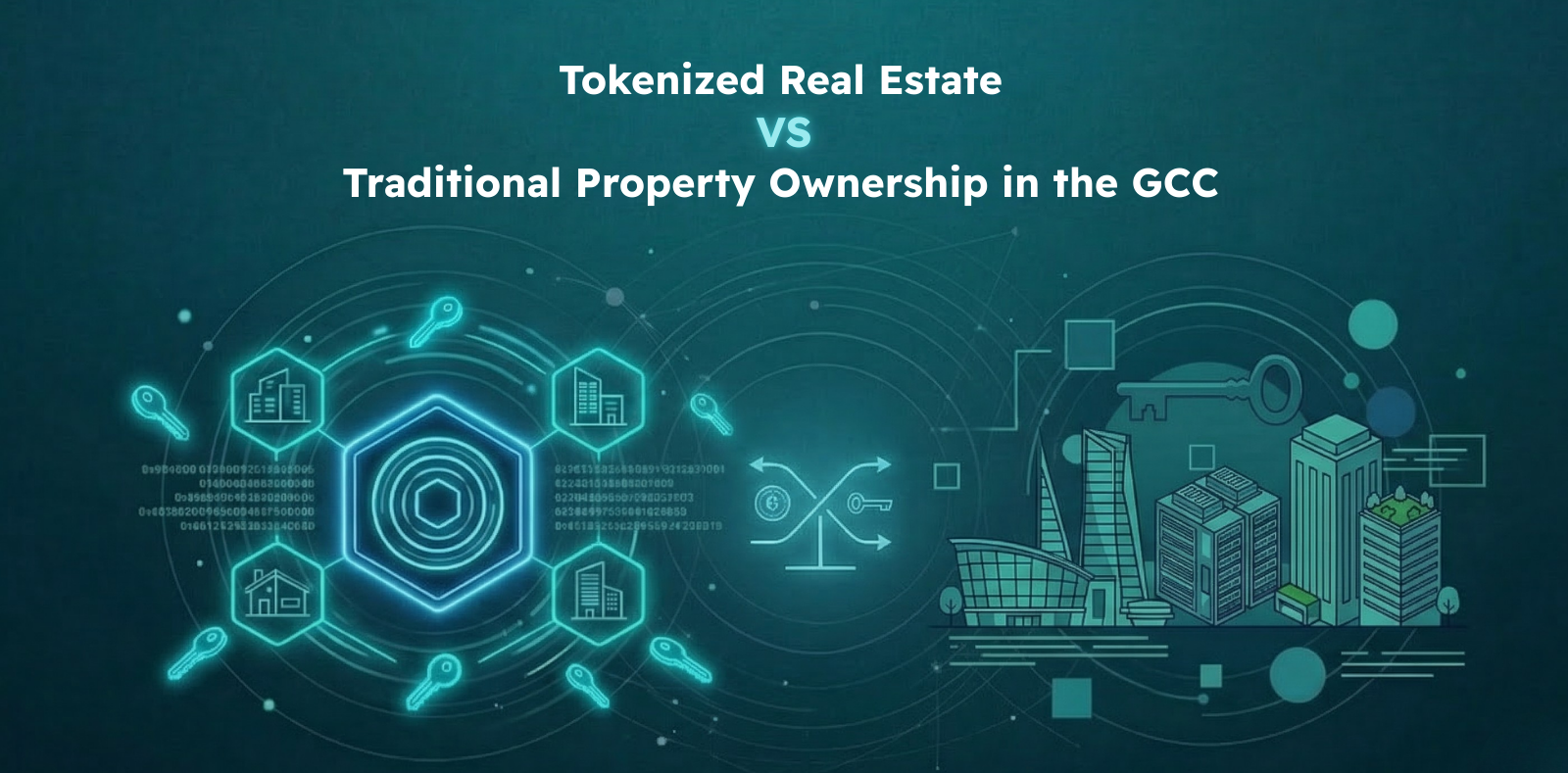
As these digital investment models gain attention, investors are increasingly comparing tokenized real estate vs traditional property ownership GCC to understand the advantages and limitations of each approach. While both models provide exposure to real estate assets, they differ significantly in terms of ownership structure, accessibility, management responsibilities, and overall investment flexibility.
Understanding the differences between tokenized real estate vs traditional property ownership GCC helps investors make more informed decisions about how to participate in property markets. For some investors, traditional ownership remains the preferred strategy, while others are exploring digital investment platforms as a complementary or alternative approach.
More topics can be read on the Gamma blog
Understanding Tokenized Real Estate vs Traditional Property Ownership in the GCC
To understand tokenized real estate vs traditional property ownership GCC, it is helpful to first examine how each investment model works. Traditional property ownership involves purchasing a physical real estate asset. The investor holds legal ownership of the property and is responsible for managing the asset, whether directly or through property managers.
Tokenized real estate operates differently. Instead of buying an entire property, investors acquire digital investment units that represent economic participation in a real estate asset. These units are often recorded on a digital ledger or blockchain-based infrastructure and represent a share of the property’s financial performance.
The comparison of tokenized real estate vs traditional property ownership GCC therefore begins with the way investors access property exposure. In traditional ownership, investors hold direct legal title to the property. In tokenized real estate models, investors typically participate through a structured investment vehicle linked to the underlying asset.
Another difference relates to flexibility. Traditional property investments often require long-term commitments and substantial capital. Tokenized models may allow investors to participate with smaller investment amounts, depending on how the platform structures its offerings.
As digital investment platforms expand across global markets, the conversation around tokenized real estate vs traditional property ownership GCC is becoming increasingly relevant for investors seeking alternative ways to access real estate opportunities.
Ownership Structures and Investor Control
Ownership structures represent one of the most significant distinctions between tokenized real estate vs traditional property ownership GCC. When investors purchase property directly, they hold legal title to the asset. This means they have full control over decisions related to the property, including leasing arrangements, renovations, and eventual sale of the asset.
Direct ownership provides a high level of control but also requires active involvement. Property owners must manage tenants, maintain the building, and comply with local regulations governing real estate assets.
In tokenized real estate investments, ownership works differently. Investors usually participate in a legal entity that owns the property rather than holding direct title themselves. Digital investment units represent a share of the entity’s economic participation in the asset.
When comparing tokenized real estate vs traditional property ownership GCC, this structure means that investors may have less direct control over operational decisions. Instead, professional asset managers typically oversee the property’s day-to-day management.
For many investors, this trade-off can be appealing. While traditional ownership offers greater control, tokenized investments allow individuals to access real estate opportunities without needing to manage property operations personally.
Understanding how ownership structures differ between tokenized real estate vs traditional property ownership GCC is essential for investors deciding which approach aligns best with their investment goals.
Entry Requirements and Accessibility
Another major difference between tokenized real estate vs traditional property ownership GCC relates to entry requirements. Purchasing property directly in the GCC often requires significant financial resources. Investors must typically provide substantial capital for property acquisition, legal documentation, and associated fees.
In addition to financial requirements, traditional property ownership may involve administrative processes such as title registration, property inspections, and financing arrangements. These steps can make real estate investments less accessible for smaller investors.
Tokenized real estate introduces a different model. By dividing property investments into smaller digital units, tokenization may allow investors to participate with lower capital commitments. Instead of purchasing an entire property, investors can hold smaller portions of the asset through digital investment structures.
This difference in accessibility is one reason the comparison of tokenized real estate vs traditional property ownership GCC is becoming increasingly relevant. Investors who may not have previously been able to purchase real estate directly can explore participation through tokenized investment platforms.
However, investors should remember that accessibility does not eliminate the need for careful research. Regardless of the investment model, evaluating asset quality, governance structures, and financial projections remains essential.
In the GCC, accessibility can also be influenced by local property regulations and market dynamics. Certain real estate opportunities may require substantial upfront capital or involve administrative processes that can make direct ownership more complex for some investors. When comparing tokenized real estate vs traditional property ownership GCC, digital investment models may offer an alternative path for investors who want exposure to property markets without navigating every aspect of property acquisition. While these platforms do not remove the importance of evaluating asset quality and investment structure, they can reduce some of the practical barriers that historically limited participation in real estate investing.
Costs and Management Responsibilities
When evaluating tokenized real estate vs traditional property ownership GCC, investors must also consider costs and management responsibilities. Direct property ownership involves several expenses beyond the initial purchase price. These may include maintenance costs, property taxes, insurance, and ongoing management expenses.
Owners must also allocate time and resources to managing tenants, handling repairs, and ensuring compliance with local property regulations. Some investors choose to hire property management companies, which adds another layer of operational costs.
Tokenized real estate investments often operate under a different structure. Professional asset managers typically oversee property operations, allowing investors to participate without managing the property directly. This structure can simplify the investment experience for individuals who prefer a more passive role.
When comparing tokenized real estate vs traditional property ownership GCC, investors should evaluate how costs are structured. Tokenized platforms may charge management or administrative fees, while traditional property ownership involves direct operational expenses.
Understanding these differences helps investors determine which model better suits their financial objectives and level of desired involvement in property management.
How Osool Gamma Provides a Modern Property Investment Alternative
As digital investment models continue to evolve, platforms such as Osool Gamma illustrate how investors can access property-backed opportunities through simplified structures. For individuals evaluating tokenized real estate vs traditional property ownership GCC, platforms that provide clear governance and asset transparency can offer an alternative pathway into real estate investing.
If you are comparing tokenized real estate vs traditional property ownership GCC but want a simplified investment option, Osool Gamma allows investors to access property backed assets without managing real estate directly.
The platform focuses on connecting investors with structured real estate opportunities while reducing the operational complexities associated with direct property ownership. Instead of purchasing and managing properties themselves, investors can participate in real estate-backed assets through a digital investment platform.
This approach reflects broader changes occurring within the real estate investment landscape. Digital platforms are making property investments more accessible while still relying on traditional real estate fundamentals such as asset quality, rental demand, and professional management.
For investors seeking exposure to property markets without direct ownership responsibilities, platforms like Osool Gamma demonstrate how modern investment infrastructure can complement traditional real estate strategies.
You can start investing now from the Osool Gamma Investment Platform
Real estate continues to play a central role in investment strategies across Saudi Arabia and the wider GCC region. As new financial technologies emerge, investors now have more options for accessing property markets than ever before.
Comparing tokenized real estate vs traditional property ownership GCC highlights how these investment models differ in ownership structure, accessibility, management responsibilities, and operational complexity. Traditional property ownership offers direct control and long-term asset ownership, while tokenized real estate introduces a more flexible and accessible approach to property participation.
Both models have advantages depending on an investor’s financial resources, risk tolerance, and desired level of involvement in property management. Some investors may prefer the control associated with direct property ownership, while others may find digital investment platforms more aligned with their investment preferences.
Understanding the differences between tokenized real estate vs traditional property ownership GCC allows investors to make informed decisions about how to participate in the evolving real estate investment landscape.
FAQ
What is the main difference between tokenized real estate and traditional property ownership?
The main difference is the ownership structure. Traditional property ownership involves holding legal title to a physical asset, while tokenized real estate represents participation in a property investment through digital units linked to an underlying asset.
Is tokenized real estate becoming popular in the GCC?
Interest in tokenized real estate is growing as investors explore alternative ways to access property investments. The comparison of tokenized real estate vs traditional property ownership GCC is becoming more common as digital investment platforms expand globally.
Does tokenized real estate replace traditional property ownership?
No. Tokenized real estate does not replace traditional ownership. Instead, it provides an alternative investment model that may complement existing property investment strategies.
Which option is better for beginner investors?
The best option depends on an investor’s financial resources and investment goals. Traditional property ownership offers direct control, while tokenized models may provide more accessible entry points for investors with smaller capital amounts.
References
World Economic Forum – Tokenization of Real Assets
Deloitte – Blockchain and Digital Asset Investment Reports
PwC – Digital Asset Investment Trends
Investopedia – Real Estate Tokenization Explained